About

The INFLUENCE project is a flood mitigation initiative focused on researching and enhancing sustainable development on small island developing states (SIDS) across the Caribbean to minimise the effects of compound flooding– including marine and terrestrial factors. 

What is compound flooding? 

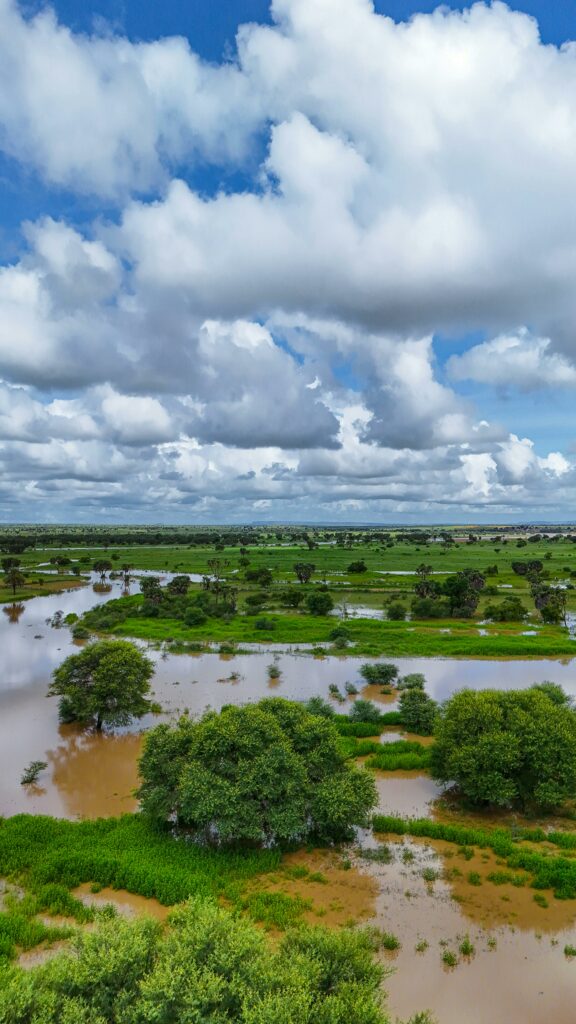
Compound flooding is the result of the combination of factors such as extreme rainfallstorm surges and high tides, and river overflow. The interaction among all these factors causes water levels to increase, leading to deeper floods that last much longer and can cause devastating effects. 

Flooding remains the primary climate risk across the Caribbean (and Latin America), particularly for vulnerable low-lying coastal communities. Our coastlines are the backbone of regional stability and economic growth; acting is not an option– it is essential for our future. 

Flooding remains the primary climate risk across the Caribbean (and Latin America), particularly for vulnerable low-lying coastal communities. Our coastlines are the backbone of regional stability and economic growth; acting is not an option– it is essential for our future. 

Our Goals

The INFLUENCE project team hopes to: 

Objective 1

Identify primary flood drivers through comprehensive data collection and variable analysis

Objective 2

Model and simulate critical flooding events to evaluate the protective role of coastal ecosystems and (develop parametric formulas for sensitivity analysis) determine which factors increase flood risk.

Objective 3

Develop predictive risk models that integrate environmental, climatic, and oceanographic variables to forecast future flood events.

Objective 4

Share our findings with the community through public engagement initiatives and practical solutions– ensuring everyone is better prepared.

Our Funders

The INFLUENCE project is being supported by three main funders:  

New Frontiers in Research Fund (NFRF)

New Frontiers in Research Fund (NFRF) – International through collaboration with McGill University

Our Shared Ocean Programme funded by Irish Aid

Our Shared Ocean Programme funded by Irish Aid and administered by the Marine Institute

The Caribbean Catastrophic Risk Insurance Facility (CCRIF-SPC)

The Caribbean Catastrophic Risk Insurance Facility (CCRIF-SPC)

Relevant Synergistic Projects

1.

New Frontiers in Research Fund (NFRF) – International under the Collaboratively Designed and Managed Flood Resilience Framework for Affected Communities in the Caribbean Region project where Prof. Chandra Madramootoo of McGill University serves as overall Project Lead (https://sshrc-crsh.canada.ca/funding-financement/nfrf-fnfr/international/2023/award_recipients-titulaires_subvention-eng.aspx ). The UWI team will be engaged on this project between January 2025 and December 2027 and have been involved in a number of various activities. Learn more about the overall NFRF project here https://www.mcgill.ca/caribbeanfloodresilienceframework/  

2.

The Our Shared Ocean Programme is funded by the Department of Foreign Affairs though Ireland’s development cooperation programme, Irish Aid. The programme is administered and managed by the Marine Institute on behalf of Irish Aid/DFA (https://oursharedocean.ie/ )The Our Shared Ocean Programme funded Leveling UP Coastal Solutions – Managing Compound Flooding (LuMCoF) project which will run from January 2026 to June 2027. The LuMCoF project aims to strengthen coastal flooding resilience across the Caribbean by turning complex site simulations into actionable guidance for resilient regional development. 

Project Partners

The Influence Project team will work with a range of partners to maximize outputincluding:

Local Agencies/ Government/ Policy makers

Consultancies / Private sector

Academic Institutions (local regional, international)

NGOs and CBOs, Community representatives

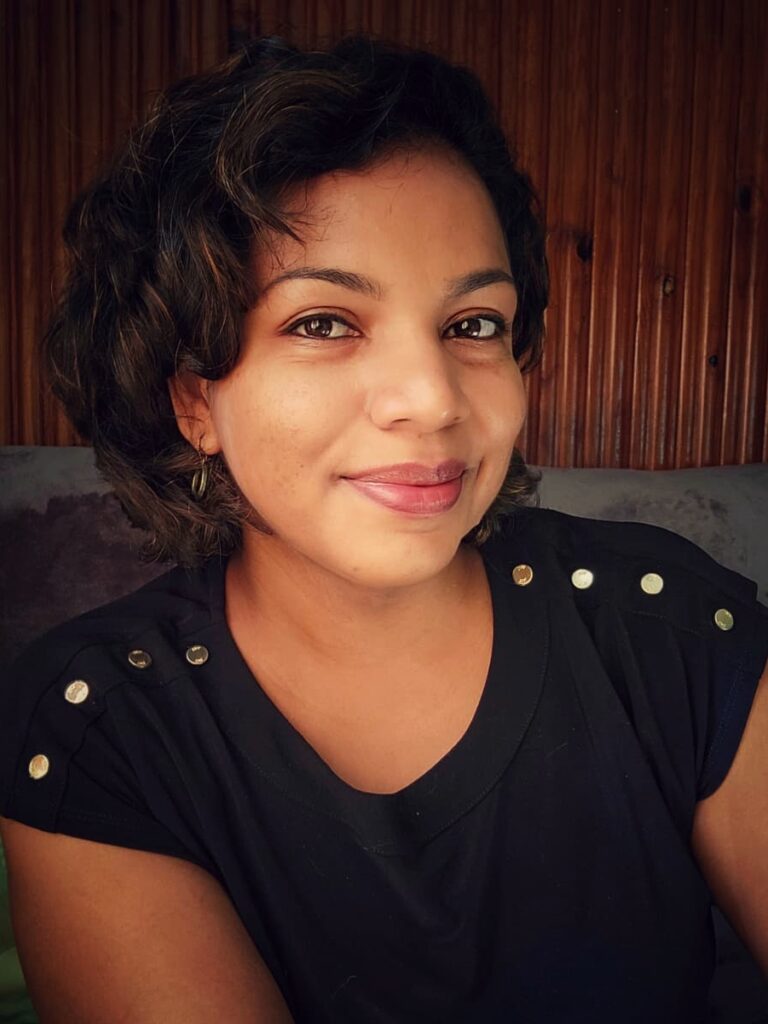
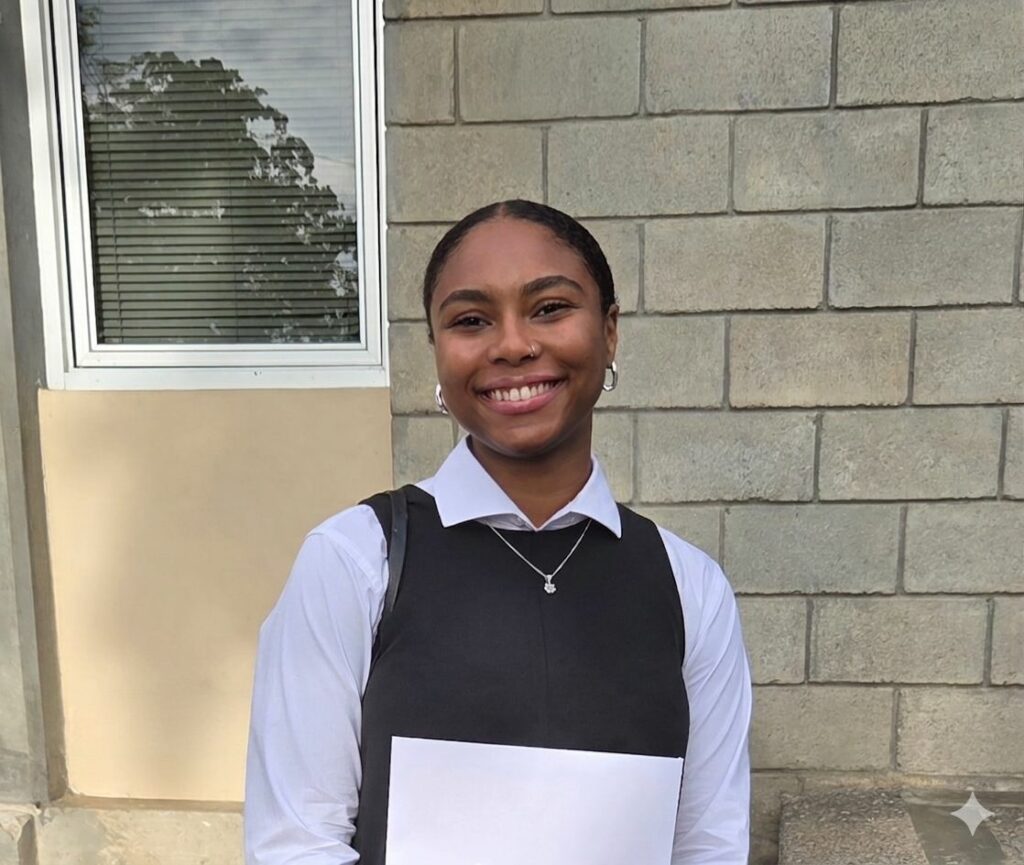
Research Assistants: Mr. Andrew Williams, Ms. Sarita Emmanuel, Ms. Soleil Thompson

Andrew Williams

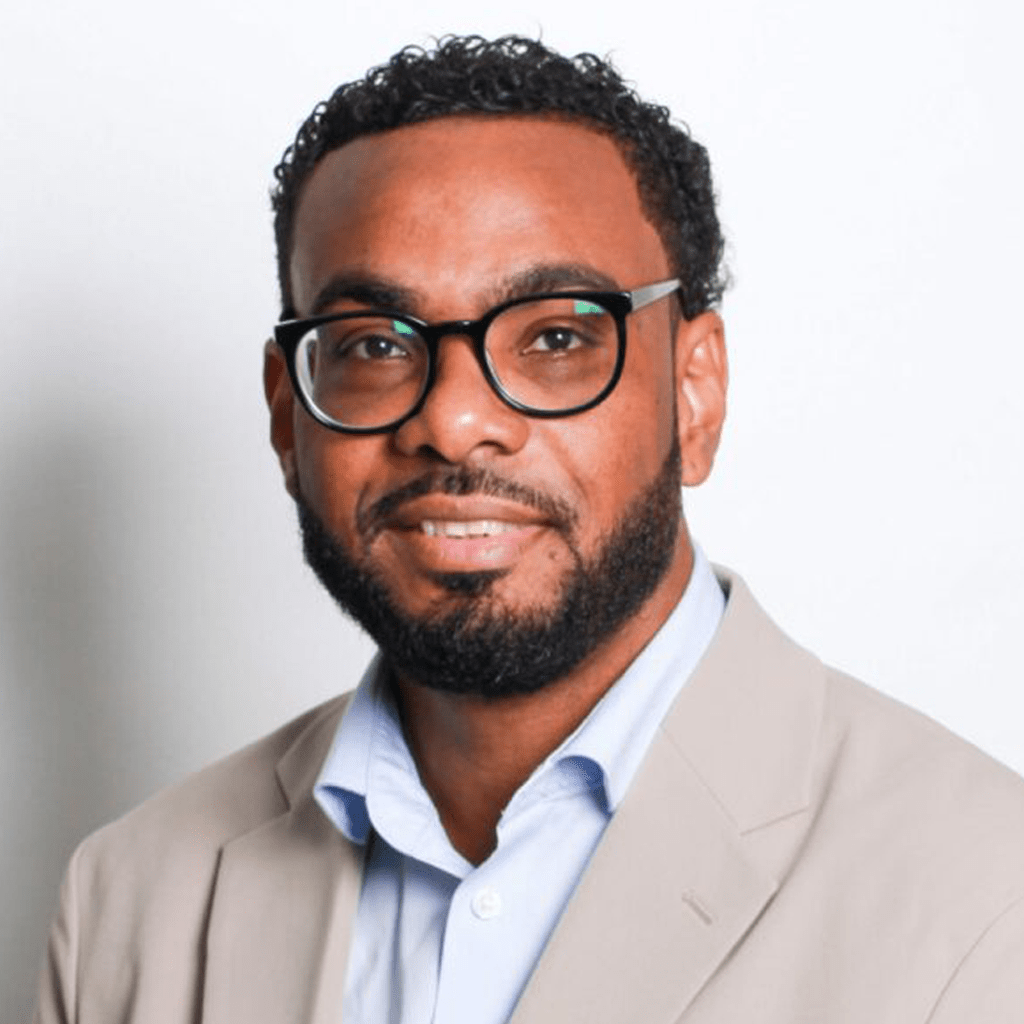
Andrew Williams is a PhD student and Research Assistant on the INFLUENCE project at The University of the West Indies, St. Augustine. He holds a BSc in Civil and Environmental Engineering and an MSc in Coastal Engineering and Management from UWI. 

At the core of his work is an interest in the processes that drive flooding in coastal environments, particularly the interaction between marine and terrestrial factors that lead to compound flooding. His earlier research explored wave run-up and groundwater behaviour in the swash zone, contributing to a deeper understanding of coastal processes. 

His current research focuses on compound flooding and the role of Nature-Based Solutions, particularly mangroves, in reducing flood risk. This work integrates laboratory experiments, numerical modelling, and field data collection to quantify flood hazard within a probabilistic framework. It further contributes to the development of predictive models and supports a more resilient flood management framework. 

Email: andrew.williams@uwi.edu 

LinkedIn: www.linkedin.com/in/andrew-h-williams 
Sarita Emmanuel 

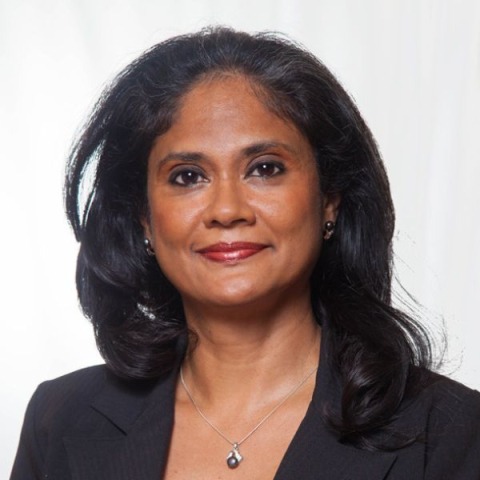
Sarita Emmanuel is a PhD student working in Coastal Engineering and Management at The University of the West Indies (UWI), St. Augustine, and a UWI Research Assistant supporting the INFLUENCE project. She has a background in wetland ecology and environmental management, with an MSc. in Wetland Science and Conservation focused on mangrove biogeochemistry. Her work draws on experience in research, teaching, and stakeholder engagement. 

Her current research focuses on how mangrove ecosystems can be represented within wave and hydrodynamic models to better understand their role in coastal processes and shoreline protection. Her work sits at the intersection of ecology and coastal engineering, contributing to nature-based approaches for coastal resilience in Trinidad and Tobago and the wider Caribbean. 

Soleil Thompson

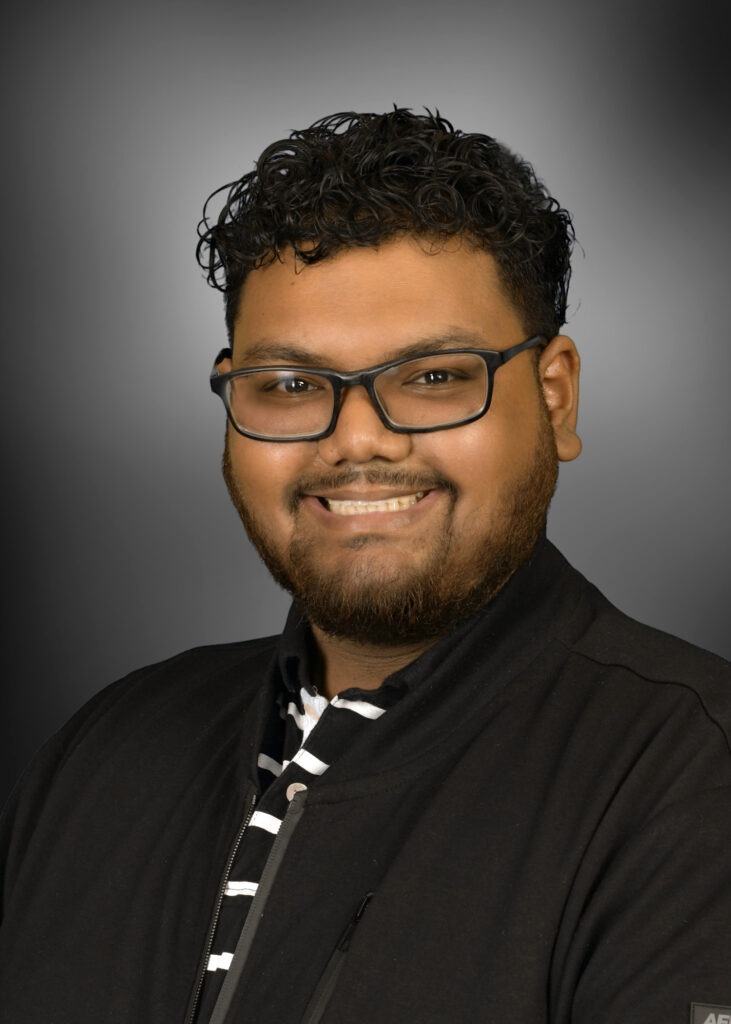
Soleil Thompson is a Research Assistant on the INFLUENCE project and recent graduate of the University of the West Indies, St. Augustine, with a BA in Communication Studies. 

She aids in the development of community engagement strategies and social research efforts. With her academic background in the humanities and social sciences, she is able to foster meaningful public participation by designing and implementing outreach initiatives that translate research goals into accessible community action. By leveraging her knowledge in various writing styles and creative communications, Soleil ensures that project findings are shared effectively, bridging the gap between scientific inquiry and the wider public. 

Email: soleil.thompson@uwi.edu