The environment is made up of all that surrounds us: from the air we breathe, to the soil beneath our feet, to the wildlife around us. All essential for our existence and survival. However, the changing climate along with harmful human behaviours have negatively impacted and altered our environment. As humans we need to start valuing our environment and advocating for better conservation practices. A healthy environment regulates the Earth’s climate by reducing greenhouse gases in the atmosphere. Because of this, there has been an increasing interest in integrating nature into climate solutions. While Nature-based Solutions pose an effective tool in fighting climate change, we cannot save the planet with ecosystems we are actively destroying.
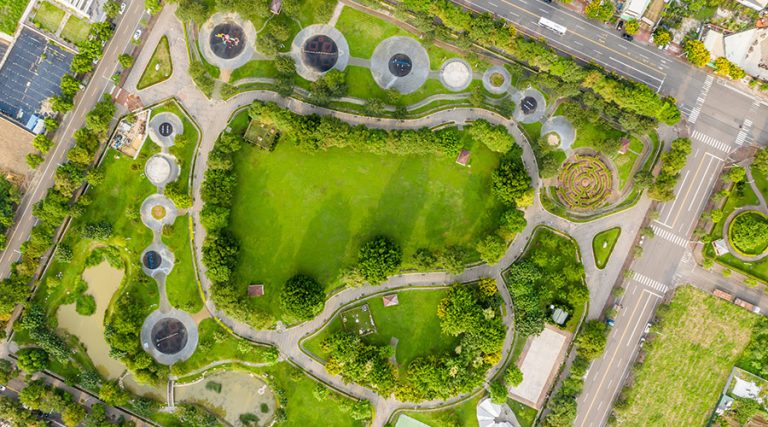
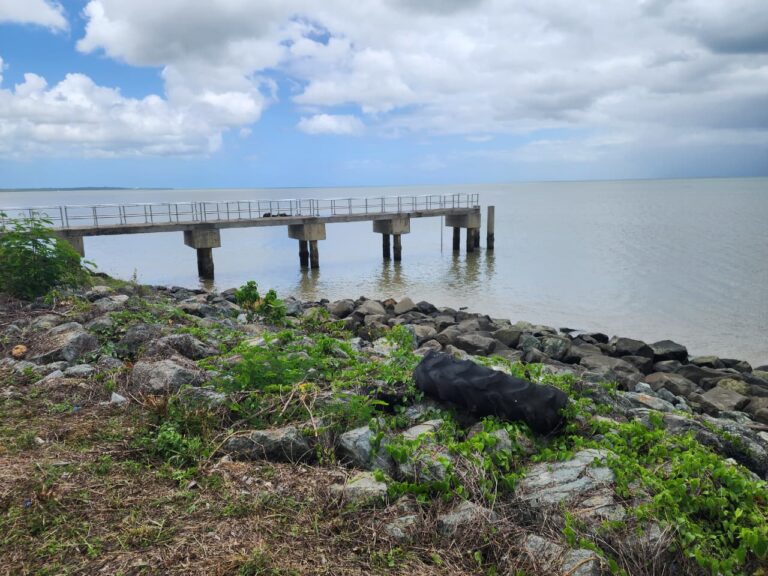
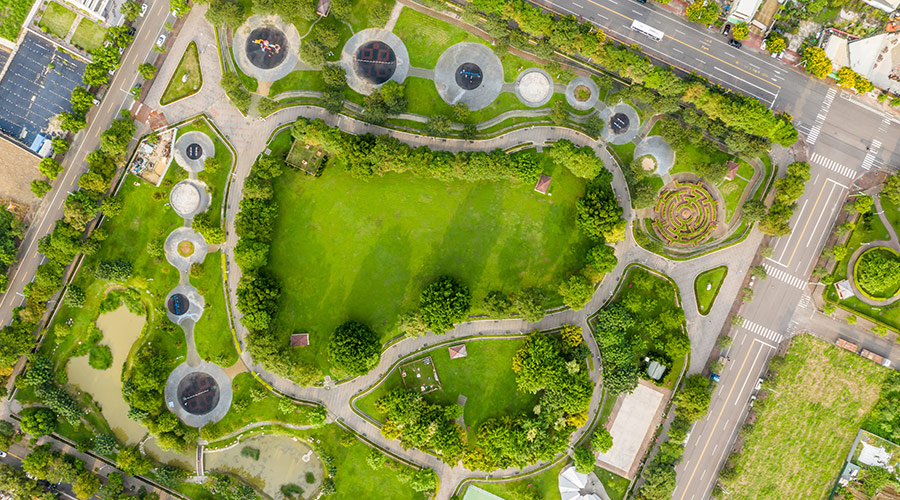
By devising solutions that sustainably restore, protect and manage our natural environment we are able to address societal challenges. These are referred to as Nature-based Solutions (NbS). Nature-based solutions simultaneously improve the environment while benefiting the people living within and around it. These are actions such as mangrove restoration, coral and oyster reef protection, green roofs and living walls, urban forests and green corridors, regenerative agriculture. While this is not a new concept, global interest in NbS has been rapidly increasing with more professionals engaging in its research and implementation. Mainly due to their abilities to target challenges such as climate change, disaster reduction, food and water security, biodiversity loss and human health.

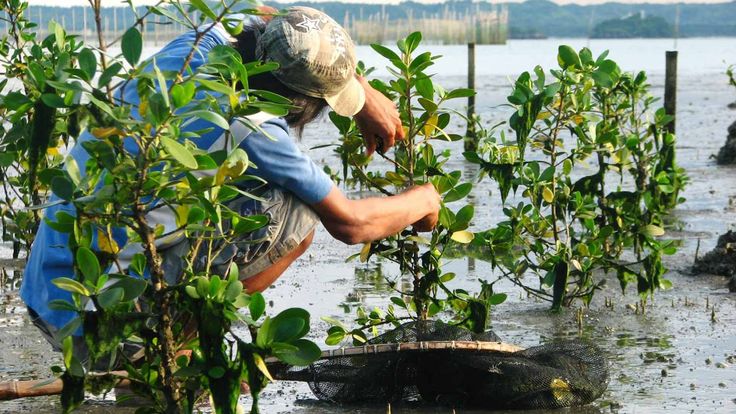
The implementation of Nature-based solutions provides climate change mitigating effects. There is a subset of Nature-based Solutions, referred to as natural climate solutions, that specifically focus on addressing climate change by avoiding or reducing greenhouse gas emissions. These activities include carbon sequestration through reforestation, protecting and conserving wetlands and forests, farming with minimal soil disruption. NbS aid in combating climate change through carbon sequestration (storing excess carbon) and building ecological resilience against climate-related hazards such as flooding and heatwaves.
Our natural ecosystems are inherently protective in nature, however, environmental destruction and degradation reverses these processes. Because nature is free, we often take it for granted and exploit it; we clear forests, pollute the water ways, and build over wetlands. A healthy environment is intrinsically linked to the well being of humans and our quality of life. When we destroy the environment it loses adaptive resilience, disrupts hydrological and nutrient cycles, and compromises structural defenses greatly diminishing the effectiveness of Nature-based Solutions.

Ultimately, the true power of Nature-based Solutions lies not just in their design, but in our willingness to change how we value the natural world. They offer a powerful framework to restore our planet’s defenses. Yet, these strategies are entirely dependent on the health of the very environments we are currently compromising. Protecting our future requires a fundamental shift from exploitation to active management.